Article Overview
Cable tray thickness is primarily governed by IEC 61537:2023, BS standards, and manufacturer load testing, with NEMA relying on performance-based criteria rather than prescriptive thickness.
International Standards
IEC 61537:2023 is the most recent international standard for metal cable tray systems, covering steel, stainless steel, and aluminum trays . It specifies construction requirements, load testing, corrosion resistance, and performance parameters. The 2023 revision introduced more granular corrosion classifications and guidance for using trays as protective earth conductors . IEC and BS standards provide prescriptive thickness tables based on material type, span, and load, ensuring structural integrity under specified conditions . NEMA standards, commonly used in the USA, do not specify minimum thickness. Instead, they rely on the principle that if a tray passes the load test for the specified span, the thickness is considered adequate . This performance-based approach allows flexibility in material selection and design but requires careful verification of manufacturer load data.
Material and Environmental Considerations
Cable tray thickness varies depending on the material and environmental exposure:
- Steel trays: Thickness is influenced by galvanization type (electro-galvanized or hot-dip) and corrosion protection requirements .
- Aluminum trays: Selected alloys provide strength and corrosion resistance, with thickness adjusted for mechanical properties .
- Stainless steel trays: Grades like AISI 316L are used for high corrosion resistance, with thickness determined by load and environmental factors .
- Fiberglass trays: Retain strength at elevated temperatures, with thickness guided by manufacturer testing rather than prescriptive tables .
Practical Design Implications
When designing or specifying cable trays:
- Always check the applicable standard for your project location (IEC, BS, or NEMA) and the edition year .
- Consider load capacity, span, and environmental conditions when selecting thickness .
- Verify manufacturer test data to ensure compliance, especially for NEMA-based designs where thickness is performance-driven .
- For corrosive environments, select trays with appropriate coatings or materials, as thickness alone does not guarantee durability .
Summary
- IEC/BS: Prescriptive thickness tables based on material, span, and load.
- NEMA: Performance-based; thickness determined by load testing.
- Material choice and environment: Critical for determining effective thickness and corrosion resistance.
- Manufacturer data: Essential for compliance and safety verification. Following these guidelines ensures that cable tray installations meet current regulatory requirements, maintain structural integrity, and provide long-term reliability in diverse environments.
Mastering Compliance: A Guide to Medium Duty Cable Trays in
Explore the intricacies of compliance with medium duty cable trays in construction projects. Learn about regulations,

Cable Tray Guide: Picking the Best Thickness and Width Options
Choosing the right thickness and width for cable trays is not just a technical decision—it is an investment in the

IEC 61537:2023
This document specifies requirements and tests for cable tray systems and cable ladder systems intended for the support and
Cable Tray Technical Guide A practical guide to product selection and
This guide for engineers and installers has been developed by ABB as a practical reference regarding cable tray characteristics,
IEC Standard for Cable Tray: Complete Technical Guide
All trays must undergo salt spray tests and coating thickness tests to ensure the coatings meet the durability levels
Document DICOS
Attaching a channel cable tray by using the method illustrated in Figure 3-88 maintains the electrical requirements, and the bolted
NEMA BI 50016-2024
Cable tray system design shall 269 comply with National Electrical Code® (NEC®) Article 392, NEMA BI-50015 (formerly VE 1), and
Product Specifications: CABLE TRAY
75kg/m rdance with the NEMA requirements. The data displayed is based on physical test results of a 600 wide sec ion and may
Cable Tray Installation Rules (NEC 392) – Electrical Trader
Senior Electrical Engineer Nadeem Sial explains: "The NEC 40% fill rule (NEC Article 392) states that for trays

QCS 2010: Cable Tray Specifications | PDF | Cable | Screw
Tray components must be accurately formed to tolerances with rounded edges. Cable trays installed in hazardous environments

Cable Tray Regulations: Global Guide to Rules
Understand Cable Tray Regulations worldwide. Learn key standards like NEC (US), BS
IEC 61537:2023 | IEC
Where necessary, cable tray systems and cable ladder systems can be used for the arrangement of cables into groups. This

CABLE
Cable ladder is more commonly used where heavier cables need to be carried, but is more expensive. Apart from the
Cable Tray Thickness Guide: Which Thickness Should You Choose?
Learn how to choose the right cable tray thickness for industrial, commercial, and infrastructure projects. Explore GI
Cable Tray Installation Rules (NEC 392) – Electrical Trader
Core rules for selecting, installing, grounding, and filling cable trays—clearances, materials,
Cable Tray Size Guide: How to Choose the Right
Complete cable tray sizing guide with standard size chart, NEC calculation methods, and real engineering
Cable Tray Specification Overview
SPEC Cable Trays - Free download as Word Doc (.doc), PDF File (.pdf), Text File (.txt) or read online for free. This document

NEC Article 392: Cable Tray Systems
This document describes regulations for cable trays from the National Electrical Code. It defines cable trays and their components. It
Cable Tray Dimensions Guide: Standard Sizes, Tray Types & Sizing
Many users focus only on tray width, assuming that a wider tray automatically means higher capacity. In practice, cable

Cable Tray Thickness Standard 2026: Key Guidelines
Discover the 2026 cable tray thickness standard for industrial and commercial use. Learn about IEC 61537, load

NEMA vs IEC vs BS: Global Cable Tray Standards Comparison
Note: NEMA does not specify minimum thickness —the philosophy is that if the tray passes the load test at the
Cable tray manual
INTRODUCTION The B-Line series Cable Tray Manual was produced by our technical staff. We recognize the need for a complete
Essential Cable Tray Standards: Your Guide to Compliance & Safety
In this guide, we will explore essential cable tray standards and offer insights into compliance and safety measures. Significance of

Cable Tray Standards | Cable Management | Metsec
Cable Management - Cable Tray Systems Standards. Contact Our Dedicated Support Team On +44 (0)121 6016000.
cable tray technical specifications cable tray
to cables when correctly inserted. Screwed connections are generally isometric threads fully compliant with ests in accordance of the

Full cable tray systems specification document
B. Cable tray systems are defined to include, but are not limited to straight sections of [ladder type] [trough type] [solid bottom type]
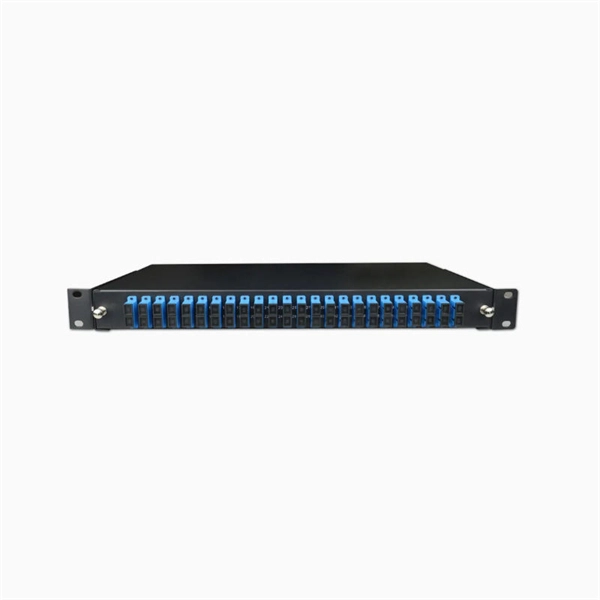
RECOMMENDED SPECIFICATIONS OF JUNCTION BOX AND CABLE TRAY
The design standard for junction boxes and cable trays in the offshore projects is based on applicable industry standards,
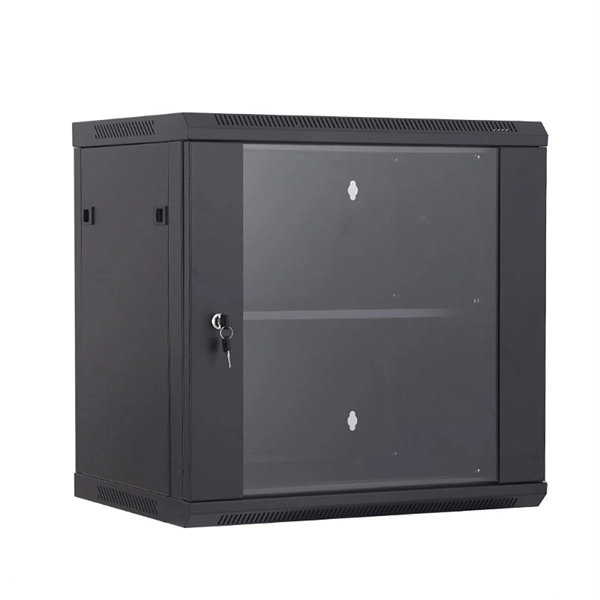
Cable Tray Dimensions and Specifications as per NEC
Many electrical systems employ cable trays. They route cables safely & efficiently. NEC defines minimum cable tray
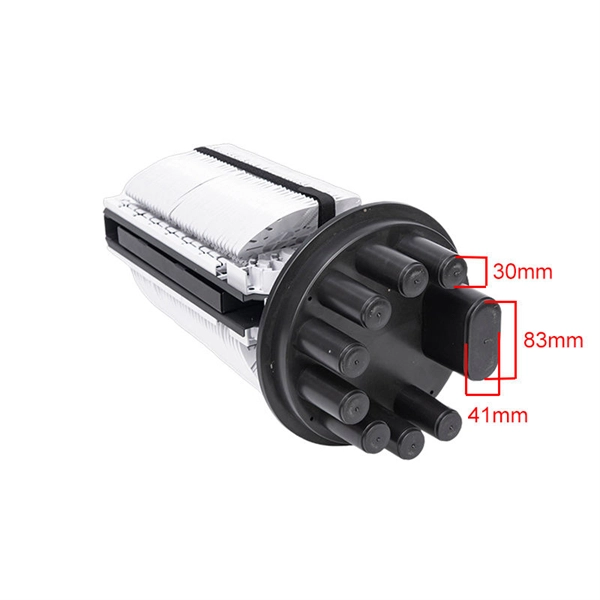
Cable Tray Thickness Standard 2026: Key Guidelines
This report provides a comprehensive analysis of cable tray thickness standards, material specifications, and market

Related Resources
- Direct Sales of Figure-8 Optical Cable G 654
- Argentina SD-WAN device QSFP28
- Precautions for fiber melting in fiber distribution boxes
- Working principle of photovoltaic power station switch
- Tajikistan LPO Optical Module 2 5G
- Residential building near the building s electrical distribution box
- Installation of Outdoor Connection Boxes
- Austria Direct Sales Server Rack 19-inch