Article Overview
Short circuit tripping in a distribution box occurs when unintended contact between live conductors or between live and neutral/ground causes a sudden surge of current, prompting the breaker to disconnect power to prevent damage or fire.
Primary Causes of Short Circuit Tripping
1. Direct Conductor Contact Short circuits typically occur when two conductors with different potentials (live-to-neutral or live-to-ground) come into direct contact. This can result from damaged insulation, exposed wires, or accidental bridging during maintenance. The sudden surge of current triggers the breaker immediately, often accompanied by sparks, a popping sound, or a burning smell, and wires may feel hot to the touch (ELECO) . 2. Moisture and Water Ingress Water entering the distribution box, especially in outdoor or moisture-prone areas, can create a conductive path between conductors or to ground. This is common in regions with heavy rainfall or high humidity. Moisture-induced short circuits are hazardous because they can occur unpredictably and may damage equipment or cause fire hazards (ELECO) . 3. Faulty or Aging Components Breakers, fuses, or internal wiring that have deteriorated over time may fail to handle normal currents properly, leading to tripping. Aging insulation, corroded terminals, or worn-out breakers can create conditions where a minor fault escalates into a short circuit (CorePower) . 4. Overloaded Circuits Leading to Insulation Breakdown While overloads are distinct from short circuits, sustained overcurrent can degrade insulation, eventually causing conductors to touch and create a short circuit. This is particularly relevant in industrial setups where multiple high-power devices operate simultaneously without proper load management (ELECO) . 5. Arc Faults and Loose Connections Loose connections or damaged wires can produce arcing, which may evolve into a short circuit. Arcing generates heat and can ignite surrounding materials, prompting the breaker to trip. Arc Fault Circuit Interrupters (AFCIs) are designed to detect these hazards before they escalate (Coloria Group) .
Diagnostic and Preventive Measures
Systematic Inspection
- Document trip patterns, noting the time, affected circuits, and connected equipment to identify trends (Zoliov) .
- Perform visual inspections for burnt components, loose wires, or signs of moisture ingress. Load and Equipment Assessment
- Calculate the total load on each circuit to ensure it does not exceed the breaker's rating.
- Test breakers and protective devices regularly to confirm proper operation. Short Circuit Analysis
- Conduct a short circuit study using software like ETAP to determine maximum and minimum fault currents, ensuring breakers and fuses are rated appropriately for the system (Academia) .
- Categorize faults as symmetrical or asymmetrical to understand current behavior and select suitable protective devices. Maintenance and Upgrades
- Tighten all connections and replace aging or faulty breakers.
- Implement moisture protection for outdoor panels and ensure proper grounding.
- Balance loads across circuits and consider upgrading distribution boards if repeated short circuits occur due to system expansion (CorePower) .
Safety Implications
Short circuit tripping is a critical safety mechanism. Ignoring frequent trips can lead to equipment damage, fire hazards, and potential injury. Prompt diagnosis and corrective action not only protect personnel and property but also ensure operational continuity and compliance with electrical safety standards (ELECO) . By understanding these causes and implementing systematic diagnostics, facility managers and electricians can effectively prevent and mitigate short circuit incidents in distribution boxes.
Why Circuit Breakers Trip and What To Do About It
In this article we discuss the 3 main reasons your why circuit breakers trip and what you
Why Does a Circuit Breaker Trip? Common Causes, Faults
Discover the most common causes of circuit breaker tripping, including overload, short circuit, leakage current,

Why the Circuit Breaker Keeps Tripping| 5 Causes and Solutions
Understand why your circuit breaker keeps tripping. Learn solutions for overloads, short circuits, ground faults, and more to ensure
The reasons and solutions caused tripping in the
There are many reasons that trigger the equipment to the trip, and only by finding the root
Does Your RCD Keep Tripping? Read To Prevent RCD From Tripping
Does the RCD keep tripping in your house? In this guide we explain how to prevent your RCD from tripping and how to keep your
Why Is the Breaker Tripping? Common Causes and Fixes
The most definite sign of a serious fault is a breaker that trips instantly upon being reset, even when all appliances
Common troubleshooting of distribution boxes: analysis of causes of
When they start tripping, overheating, or making strange noises, it''s more than just an inconvenience - it''s your home''s
Research on Causes and Preventive Measures of the Distribution Line
Power distribution line tripping accident occurs, which affects the economic benefit of power supply enterprises and the
Common causes of circuit breaker trips — and how to troubleshoot them
Understand overloads, short circuits, and ground faults with a practical guide to diagnosing and fixing circuit breaker
The reasons and solutions caused tripping in the
After the tripping, we could look at the appearance of the circuit breaker, and if the surface of
RCD tripping: Tripped Circuit Breaker and What to do?
Before jumping into the reasons behind tripped circuit breakers, let''s briefly understand how modern
Circuit Breaker Keeps Tripping: Understanding Common Causes
These symptoms indicate dangerous conditions—short circuits, arcing, or ground faults that can cause fires or
Why Your Circuit Breaker Keeps Tripping (5 Causes)
Circuit breaker keeps tripping? The 5 most common causes — overloaded circuits, short circuits, faulty appliances and more — and
What Causes Circuit Breakers to Trip? Expert Guide
Let''s explore the main reasons circuit breakers trip and how to address each situation safely and effectively. The Three Main Causes
What Causes an Electrical Distribution Board to Trip?
Discover why your electrical distribution board keeps tripping. Our Cape Town electricians explain common
Why MCB Trips and How to fix it?
Common Causes of MCB Tripping Some MCB tripping causes are listed below: 1). Overloading 2). Short Circuit 3).
Circuit Breaker Tripping? Understanding the Causes and Solutions
Learn why your circuit breaker keeps tripping and how to fix it. Guide to overloads, short circuits, ground faults, and
My Circuit Breaker Keeps Tripping: 9 Reasons why
My Circuit Breaker Keeps Tripping: 9 Reasons why. A circuit breaker is a small device in your electrical
Circuit Breaker Keeps Tripping? 5 Possible Reasons
If you notice that the circuit breaker in the distribution box has a burning smell, or feel that the circuit breaker is hot,
What Causes a Circuit Breaker to Trip?
A tripped circuit breaker results from a ground fault, short circuit, or circuit overload, with overloads being the most
Circuit Breaker Tripping? Causes & Solutions Guide
This comprehensive guide, compiled by ELECO''s technical support team based on decades of global field
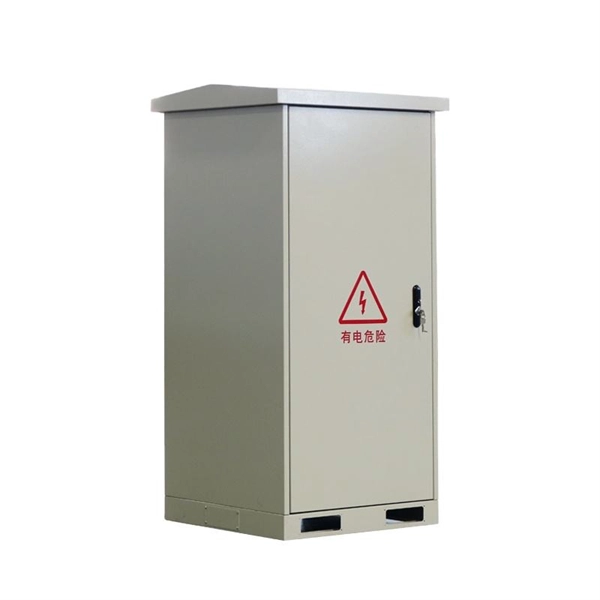
Reasons for Frequent Circuit Breaker Tripping in Distribution Boxes
Your electrical distribution box (commonly called a breaker panel) contains multiple circuit breakers that control power flow to
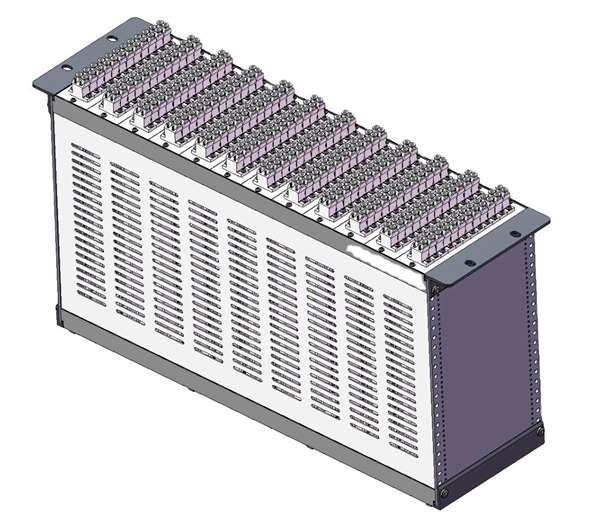
Why Is My Circuit Breaker Tripping? 4 Potential
You may have to call an electrician to deal with the reason your circuit breaker keeps
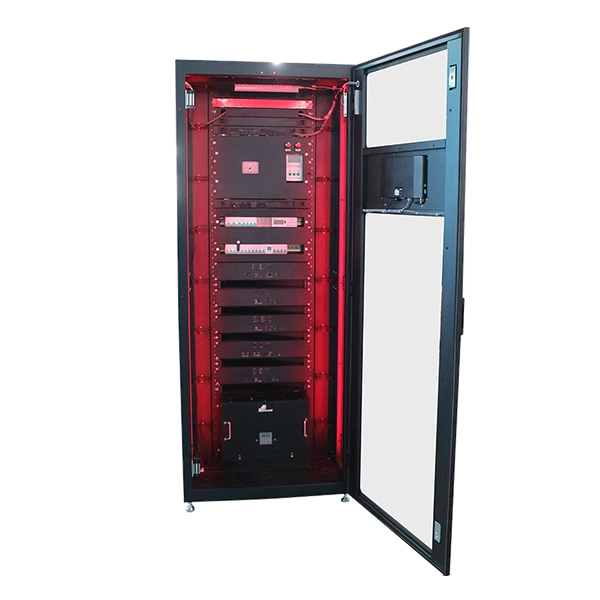
Distribution board
A distribution board (also known as panelboard, circuit breaker panel, breaker panel, circuit breaker, electric panel, fuse box or DB
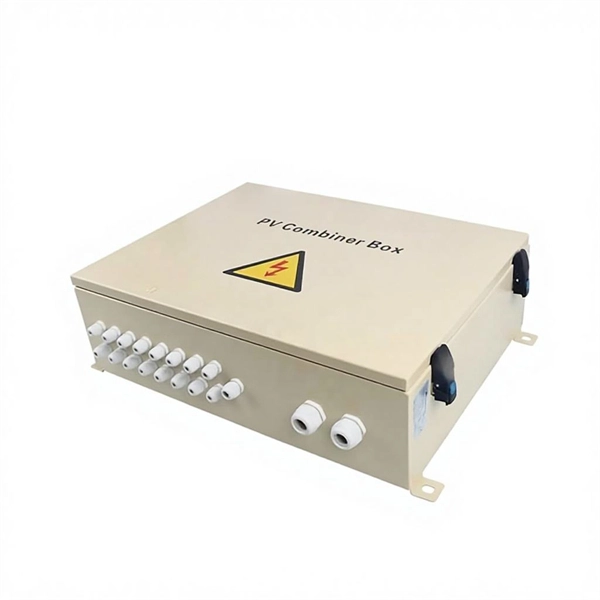
Why Does My Circuit Breaker Keep Tripping? Common Causes and
Short circuits produce dramatic warning signs, including sparks, loud popping sounds, and distinct burning smells emanating from
Breaker Keeps Tripping? Causes and When to Call an
A circuit breaker keeps tripping because it is detecting an unsafe electrical condition, most
Why Does A Breaker Keep Tripping? A Troubleshooting Guide
Why would a breaker keep tripping? Circuit breakers trip as a safety measure to prevent overheating, electrical fires,
Circuit Breaker Keeps Tripping? Causes & Easy Fixes
Uncover the top reasons why your circuit breaker keeps tripping. Learn how to troubleshoot, fix and prevent it.
What Causes Circuit Breakers To Trip?
Circuit breakers tripping is one of the most common electrical problems. Our guide explains what causes circuit
Related Resources
- Czech Edge Data Center Wall-Mounted
- Selection of Fire Cable Tray Specifications
- What material is the yellow outer layer of the optical cable made of
- Huawei 2-fiber 16-electric switch
- Czech Relay Protection Transformer Principle
- Spanish Telecom-grade Router QSFP28
- Fiber Optic Ground Wave Micro-vibration Sensor
- Solutions for Slight Bends in Fiber Optic Patch Cords
- Romanian ODMOPGW Fittings 2-core
- How to clean black skin off pigtail fibers
- Optical module and matching jumper
- Multimode dual-fiber transceiver FC interface